



Blog Categories
Product Development
AI Automation Without Atrophy
Posted in Agile Development, Artificial Intelligence, Business Analysis, Product Development on 31st August 2026
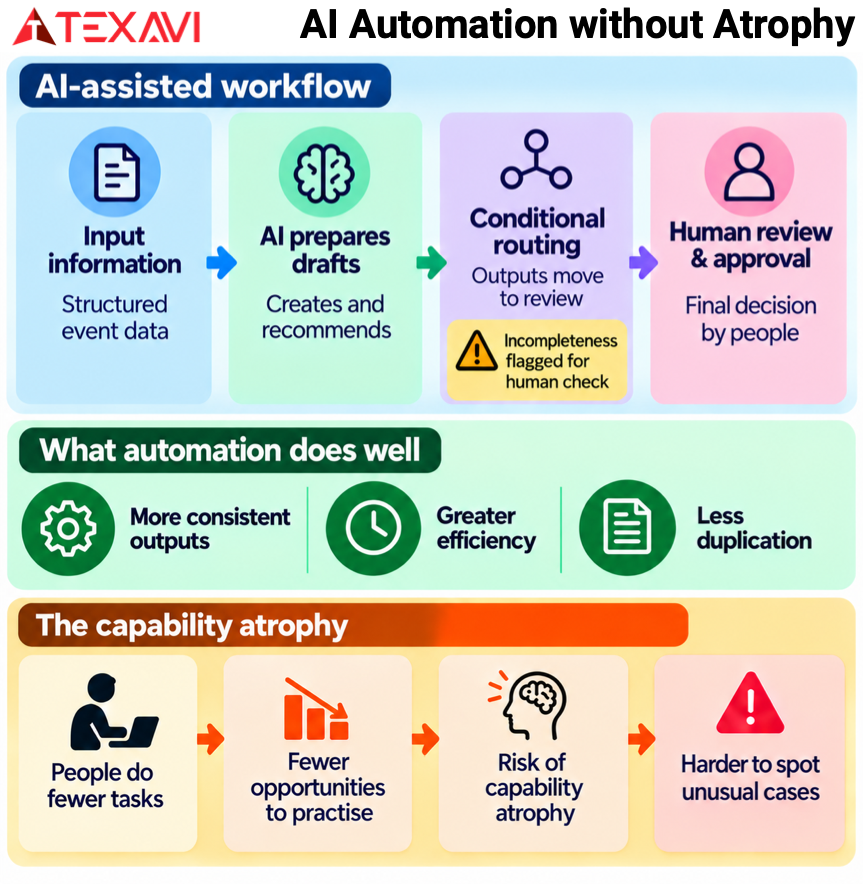
One of the easiest ways to judge an AI implementation is to ask how much effort it removes. A task that once took thirty minutes now takes five. A first draft appears in seconds. Information that once required searching across several sources arrives as a summary. Routine decisions can be supported before someone has finished opening the relevant files. AI can reduce the amount of thinking required to complete many tasks. That does not mean organisations should reduce the amount of thinking their people are capable of doing. The strongest AI-assisted organisations will not necessarily be those that automate the greatest percentage of work. They will be the ones that know which manual work can be offloaded to machines, where can human-judgement remain, and how to design systems that strengthen one without quietly weakening the other. Rohit Mahadevu (AI and Digital Transformation Consultant, Texavi Innovative Solutions) expresses his views on the practical implementation framework for AI automation. Read on...
Context Drift in AI Systems
Posted in Agile Development, Artificial Intelligence, Business Analysis, Change Management, eLearning Courses, Product Development on 7th August 2026
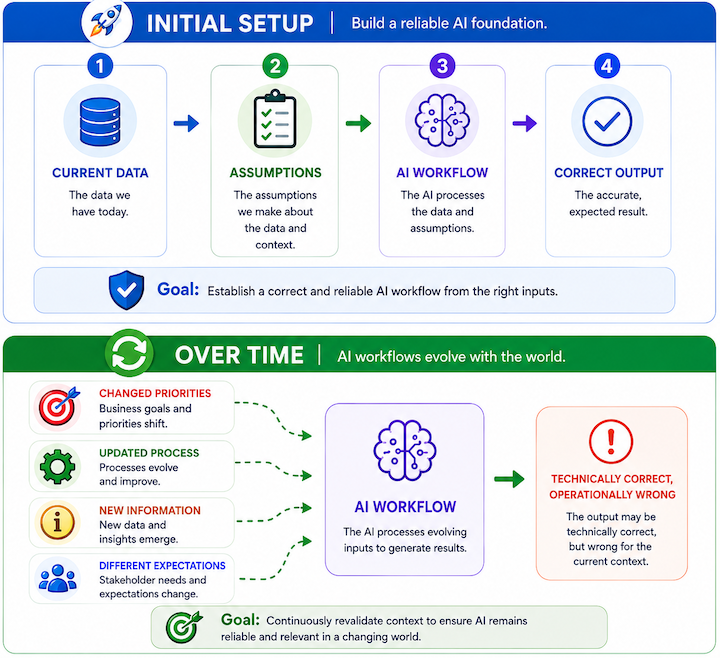
A reliable AI workflow should not merely generate outputs and move forward. It should create enough visibility for its assumptions to be challenged over time. That might mean reviewing repeated overrides, checking where escalations are increasing, looking at the difference between generated outputs and approved outputs, or identifying parts of the workflow that now require more human intervention than they did previously. The purpose is not constant optimisation. It is revalidation. There is an important difference. Optimisation asks how the system can perform the existing task better. Revalidation asks whether the system should still be performing the task in the same way. Rohit Mahadevu (AI and Digital Transformation Consultant, Texavi Innovative Solutions) expresses his views on Artificial Intelligence as a cognitive infrastructure framework. Read on...
When Automation Meets Exceptions in AI
Posted in Artificial Intelligence, Business Analysis, Change Management, Product Development on 21st July 2026
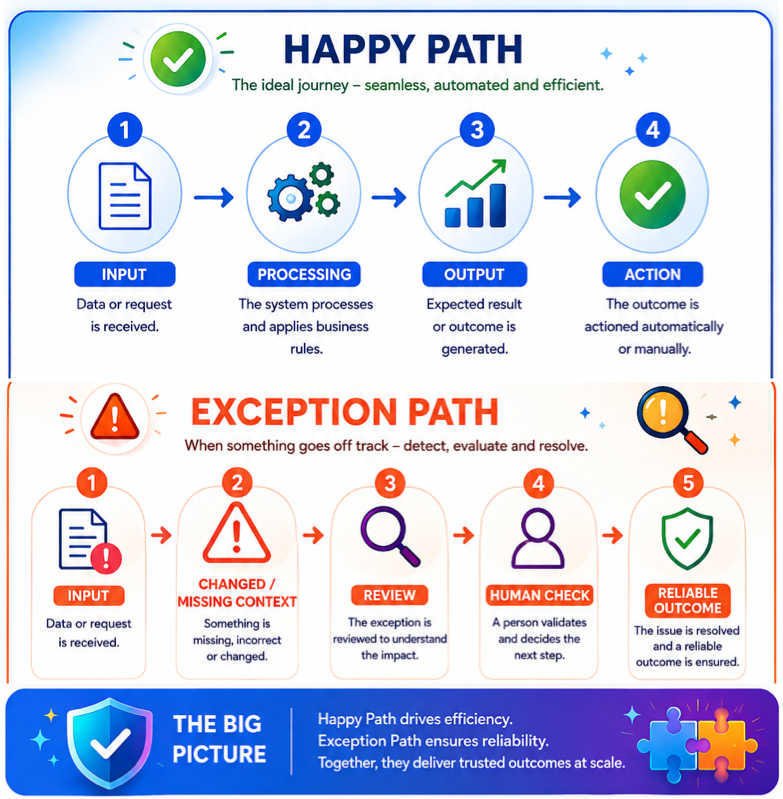
Once an AI system moves from demonstration into everyday use, exceptions are no longer at the edge of the system—they become part of the system. That changes how automation should be designed.A workflow that performs perfectly when everything goes according to plan proves that the technology can execute the happy path. It tells us very little about whether the system can survive real operations.The more useful question is: what happens when something does not fit? Read on...check out the article on managing the expectations with automation powered by artificial intelligence, written by Rohit Mahadevu, AI and Digital Transformation Consultant at Texavi Innovative Solutions.
The Forgotten Infrastructure of Digital Transformation
Posted in Artificial Intelligence, Business Analysis, Change Management, Product Development on 16th May 2026
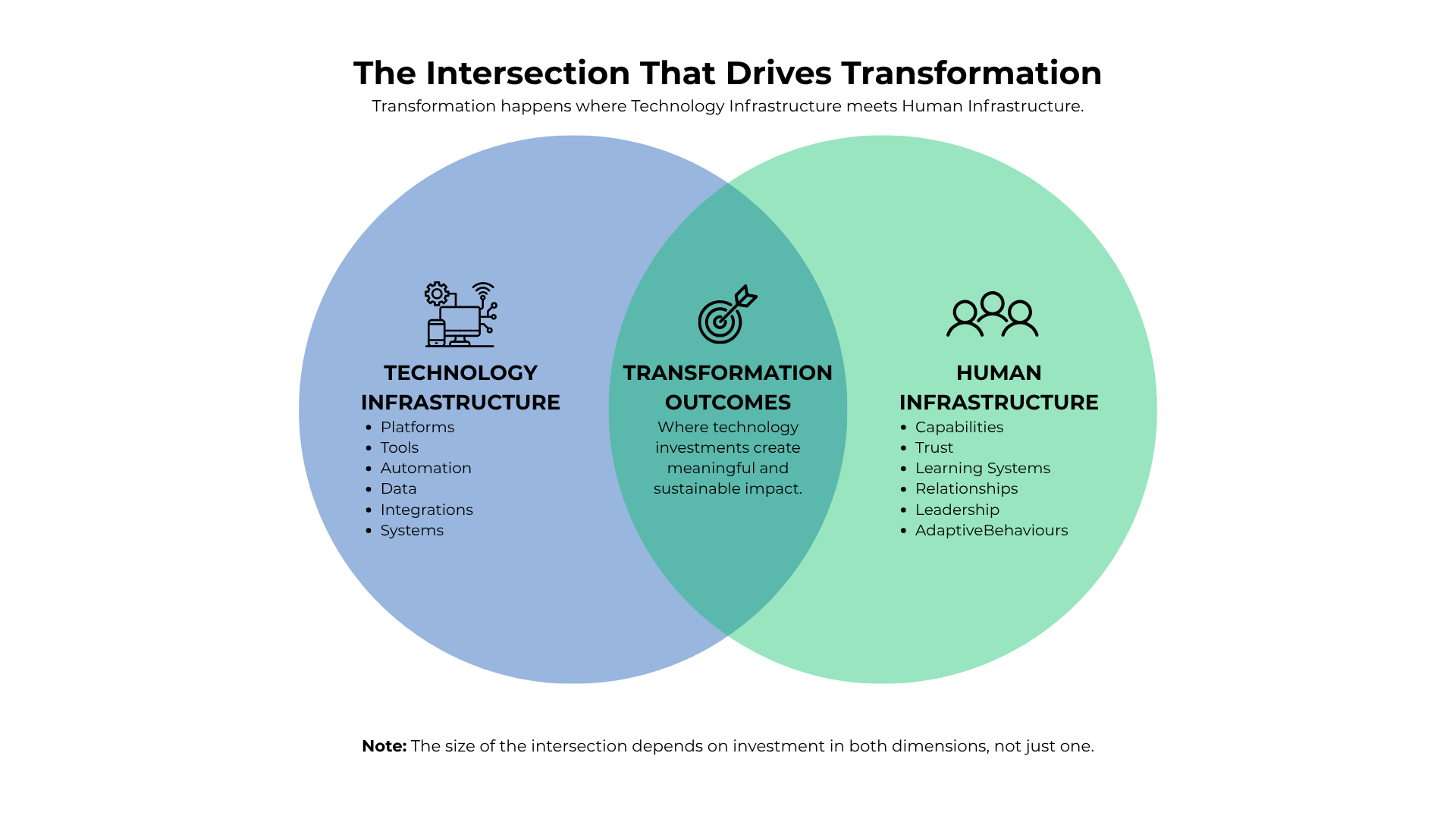
The infrastructure that makes digital transformation succeed is often different from the infrastructure that receives the most investment. Human infrastructure explains that gap. It encompasses the capabilities, trust networks, learning systems, and adaptive behaviours that enable technology investments to fulfil their intended purpose. Transformation that invests in technology without investing equally in people does not slow the rate of change. It creates an organisation that changes the appearance of work without altering its substance.
Building AI-Assisted Community Operations: From Tools to Workflows
Posted in Artificial Intelligence, Business Analysis, Change Management, Product Development on 30th April 2026
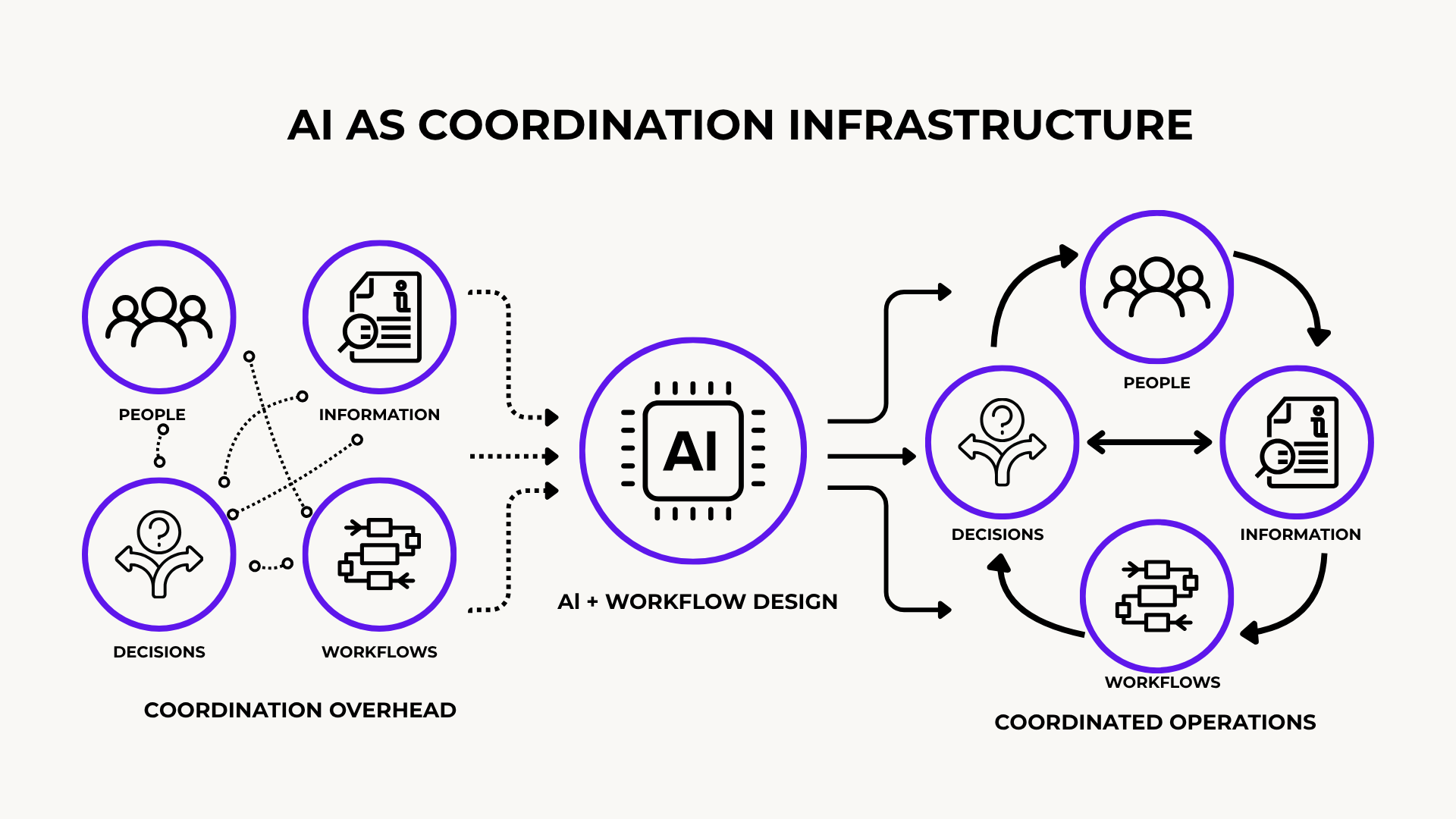
The advantage from AI over the coming years will not come from access to tools. Most tools will be accessible to most organisations at roughly equivalent cost. The advantage will come from the quality of the operational infrastructure surrounding those tools: the workflow design, the prompt architecture, the integration quality, and the trust built with the people who need to use the systems every day.
AI in Banking and Financial Services
Posted in Artificial Intelligence, Change Management, Product Development on 28th April 2026
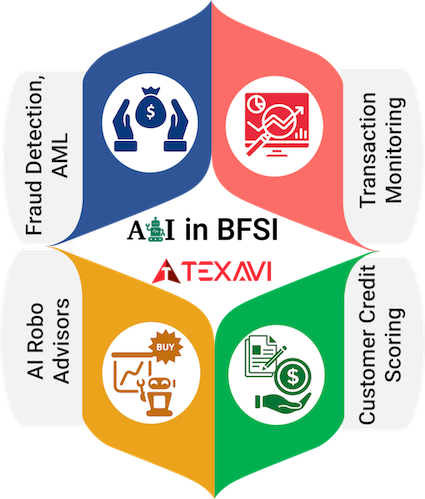
Innovation has always been at the forefront in the BFSI sector. Take the case of ATMs, OCRs in cheques, plastic money via credit cards and debit cards or the most recent digital wallets, technology has been used to enhance not just operational efficiencies but also business effectiveness and cost savings. With the advent of artificial intelligence, there is a multitude of use cases for banking in wide ranging areas from risk management to portfolio management, from treasury to investment banking, from customer relationship management to credit control and compliance.
AI is Not a Tool, it is Cognitive Infrastructure!
Posted in Artificial Intelligence, Business Analysis, Change Management, Product Development on 12th April 2026
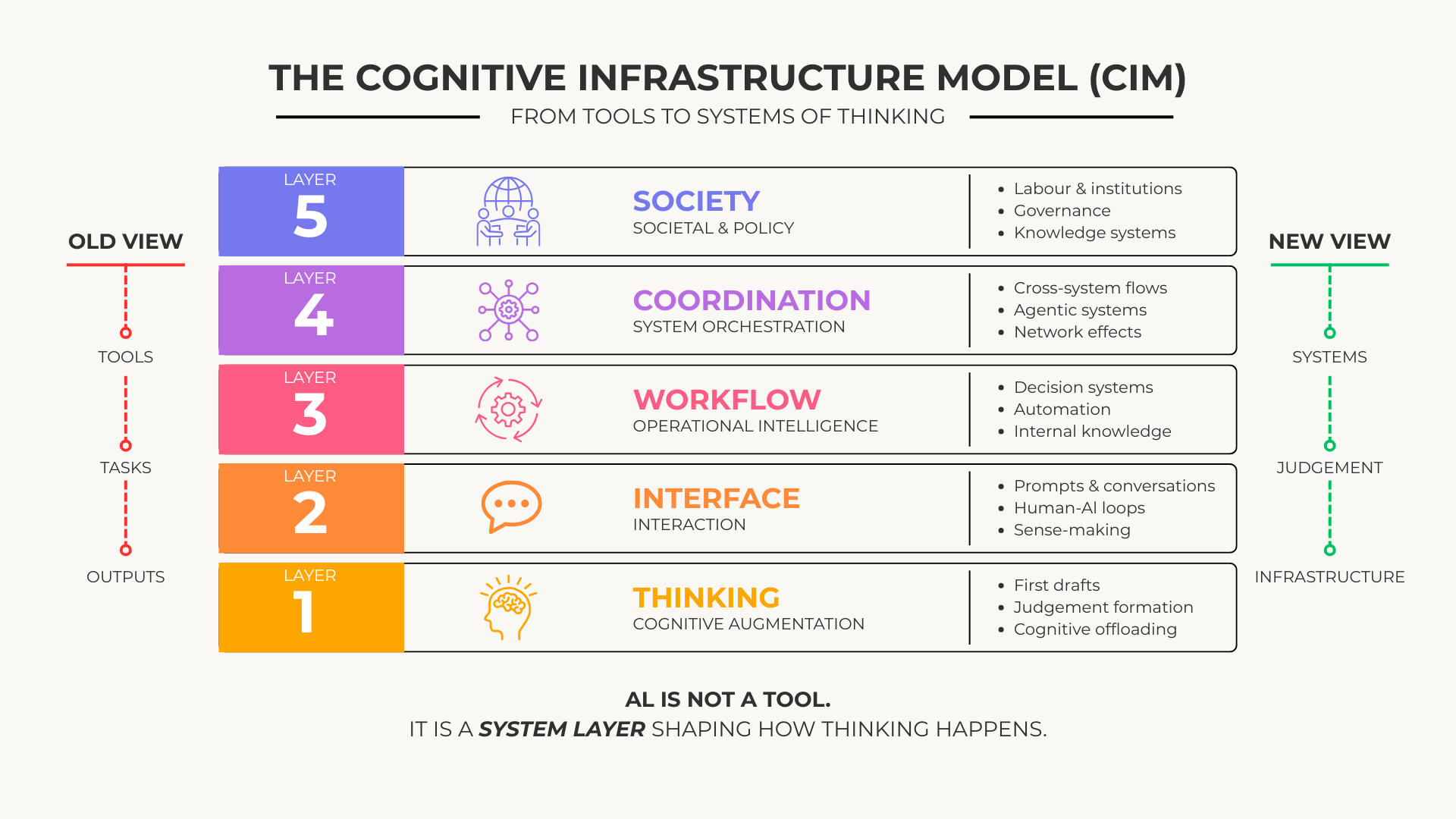
There is a quiet ‘category error’ sitting at the centre of much of the AI conversation right now, and it is shaping decisions that will outlive the people making them. We keep calling AI a tool. Tools are picked up and put down. Tools sit in a drawer until needed. A hammer does not change what a wall is, what a house means, or how a neighbourhood feels. The framing is comfortable because it puts us in charge: we choose, we wield, we set down. I would argue, though, that it is the wrong frame. It is wrong in the way that calling electricity “a better candle” was wrong in 1890. The artefact is recognisable; the substrate it creates is not. What we are actually building, and stitching into the daily fabric of work and life, is starting to behave more like cognitive infrastructure. Something that increasingly mediates how we perceive, decide, coordinate, and remember. You do not “use” infrastructure the way you use a tool. You live inside it. The question of who designs it, who maintains it, and who gets to question it becomes a different kind of question entirely. This distinction is not academic. It changes the strategy. Rohit Mahadevu (AI and Digital Transformation Consultant, Texavi Innovative Solutions) expresses his views on Artificial Intelligence as a cognitive infrastructure framework. Read on...
Technologies, platforms and infrastructure in AI!
Posted in Artificial Intelligence, Change Management, Product Development on 26th March 2026
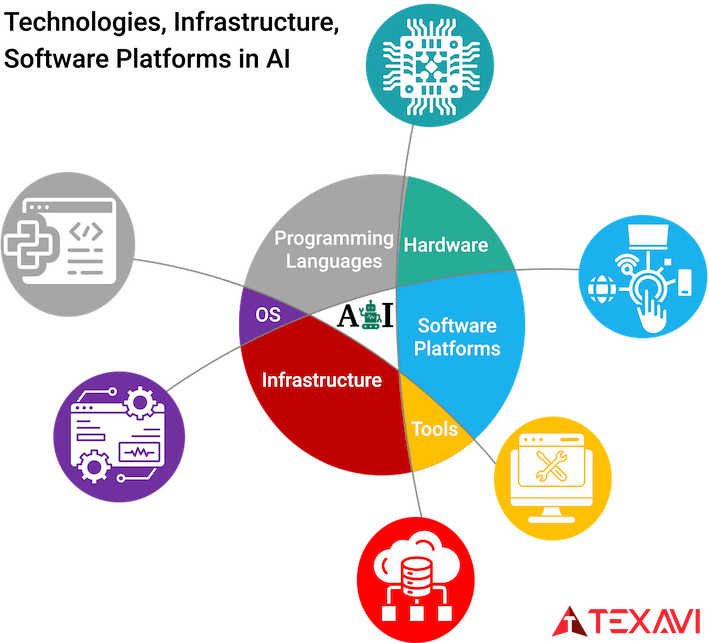
The technology stack powering the AI revolution unravelling in front of our eyes is touching fields far and wide. From the surge in coding libraries of programming languages (e.g., Python, R, Xcode, Java, Dot Net etc) to the comprehensive full-stack platforms such as TensorFlow, Scikit and Keras, there is a vast new playfield with numerous tools, platforms and SDKs. Besides the software, there is also a massive growth of hardware, networking and infrastructure aspects too. These include data centres, servers, cloud computing, parallel computing i.e., multi-core processors, sensors, actuators, controllers to name a few. It won't be an exaggeration to say that the speed and scale of changes in the AI technology landscape is definitely breakneck, and getting so much more difficult to make sense of those in our lifetime.
Happy Business Analysis Day, 2018
Posted in Agile Development, Business Analysis, Change Management, Conferences, eLearning Courses, Events, Product Development on 2nd November 2018
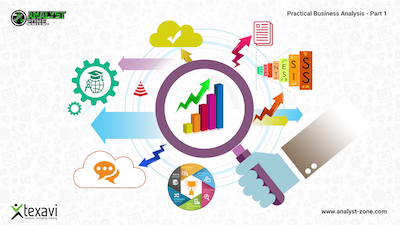
1st Nov, 2018 has been celebrated world over as Global Business Analysis Day! We marked the occasion cherishing and relishing the profession and practice of business analysis that evolved over the ages and grew into the career of choice for millions all over the world. On this day, we announce the launch of a new digital/online course titled "Practical Business Analysis- Part 1". In this post, I discuss the background, context and rationale for creating the course, and who is going to be benefitted from the eLearning course. With this announcement, I am also happy and proud to share the cover image for the course. Watch out for more updates from me and Team Analyst-Zone on the launch date, course syllabus, coverage topics and platforms on which it will be available etc. Happy Business Analysis Day, once again to all the BA professionals and enthusiasts in the community!
Which type of analyst are you? Take the challenge
Posted in Agile Development, Business Analysis, Change Management, Product Development on 13th October 2018
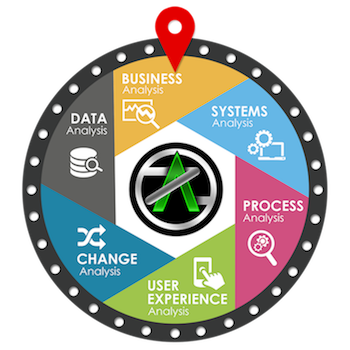
The Analyst Bootcamp Challenge test is a self-assessment tool for the business analysis professionals, catered to both practising as well as aspiring analysts. Its a simple yet powerful way to understand your true identity. As a small gesture of payback to the BA community, I am, working on a new framework to help guide the professionals. The test is a small window to this framework and offers a new, interactive way for self-discovery. What are you waiting for? Its simple and quick...go ahead and take the ABC challenge now!
 ® and Analyst Zone® © Since 2017 Texavi Innovative Solutions